The 4 Structural Phases of the S&P 500
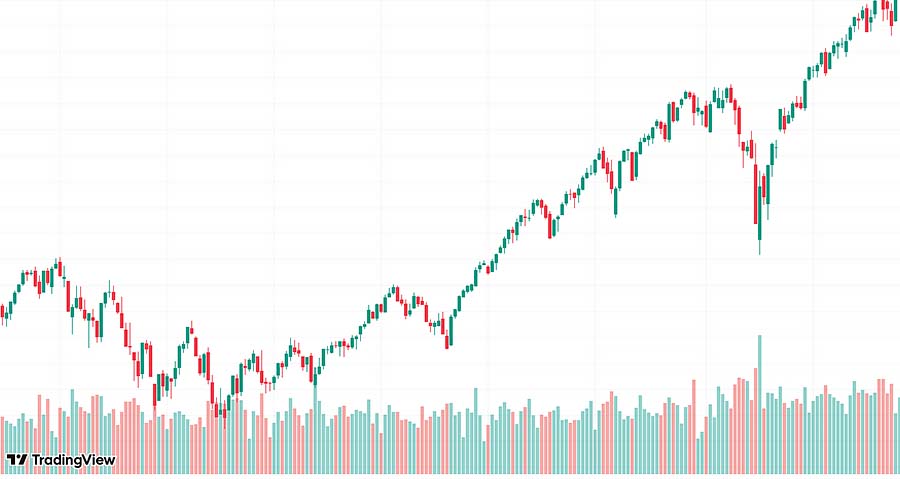
When you zoom out far enough, the S&P 500 doesn’t look chaotic at all. It moves through four repeating structural phases – each with its own behavior, risks, and opportunities. Understanding these phases is the foundation of long-term discipline.
1. Expansion Phase
The market is aligned with its long-term engine.
This phase is defined by:
- Rising long-term trend structure
- Broad economic participation
- Strong earnings growth
- Higher investor confidence
- Shallow, temporary pullback
Expansions often last years. They're where the majority of long-term gains occur.
The key challenge here isn't finding entries - it's staying invested and not getting shaken out by normal volatility.
2. Stress Phase
The long-term trend begins to weaken.
This phase typically includes:
- Slowing momentum
- Increased volatility
- Conflicting economic signals
- Failed rallies or lower highs
- Early breakdowns in market breadth
Stress phases don't always lead to major declines, but they often precede them.
This is where emotional mistakes spike - investors either panic too early or ignore the warning signs entirely.
The purpose of long-term structure is to separate noise from meaningful change.
3. Breakdown Phase
The long-term trend structurally reverses.
Characteristics include:
- Clear violation of long-term trend structure
- Persistent lower lows
- Broad market deterioration
- Economic contraction or systemic stress
- Capitulation events or forced selling
Breakdowns are rare, but they matter. They're the periods that reshape the long-term trend and create the deepest drawdowns.
Avoiding or reducing exposure during these phases has a disproportionate impact on long-term outcomes.
4. Recovery Phase
The long-term trend begins rebuilding after a structural breakdown.
Recovery is one of the most misunderstood phases in the entire market cycle. It doesn't feel like an "uptrend" at first - it feels like disbelief, hesitation, and slow repair. But historically, this is where long-term investors regain alignment with the market's engine.
Key Characteristic:
- Early stabilization after a major decline
- Higher lows forming as selling pressure exhausts
- Gradual improvement in market breadth
- Shifts from panic to neutrality
- Slow rebuilding of long-term trend structure
Recoveries rarely feel good in real time. They feel uncertain, uneven, and counterintuitive - which is exactly why they matter.
Why Recovery Is Critical
Across 100 years of S&P 500 history, the strongest long-term gains often begin during recovery, not during full expansions.
This is where:
- Emotional investors hesitate
- Headlines remain negative
- Fundamentals look weak
- Sentiment is fragile
Yet the long-term structure quietly begins to turn.
What Recovery Is NOT
- It's not a V-shaped prediction
- It's not a guarantee of immediate new highs
- It's not a straight line upward
Recovery is a transition phase, where the market shifts from damage to rebuilding.
Why Long-Term Signals Matter Here.
Recovery is where discipline pays off. A rules-based framework helps investors:
- Re-enter without guessing
- Avoid chasing late
- Stay aligned as the long-term trend rebuilds
- Capture the early stages of the next expansion
This is the phase where emotional investors stay frozen - and structured investors quietly regain long-term positioning.
How Recovery Fits Into the Full Structure
Your four phases now form a complete long-term cycle:
- Expansion – aligned with the long-term engine
- Stress – early signs of weakening
- Breakdown – structural deterioration
- Recovery – rebuilding the long-term trend
This cycle has repeated for a century. Understanding it gives investors the clarity they need to stay disciplined through every environment.